
Ultimate Guide To Essential Products For Concrete Levelings
Find out which tools and supplies are favored by professionals for efficient and precise concrete leveling work.
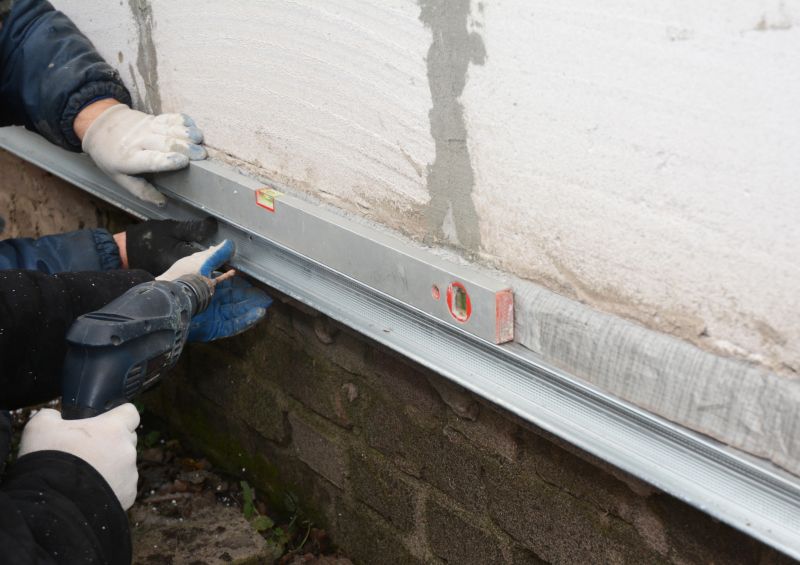 Concrete leveling is an essential process for maintaining the safety, appearance, and functionality of concrete surfaces around residential and commercial properties. Over time, concrete slabs can settle, crack, or develop uneven spots due to soil movement, moisture changes, or poor initial installation. Addressing these issues promptly helps prevent further deterioration and potential safety hazards. Various products are available to facilitate effective and efficient concrete leveling, ranging from DIY solutions to professional-grade materials.
Top Overall Option
Self-Leveling Concrete Patching Compound
This versatile compound offers a smooth, easy-to-apply solution for filling cracks and leveling uneven surfaces. Its user-friendly formulation allows for quick mixing and application, making it suitable for both DIY enthusiasts and professionals. Designed to bond well with existing concrete, it provides a durable repair that can restore a flat surface with minimal effort.
Types of Products For Concrete Levelings
Polyurethane Foam Leveling
A lightweight foam that lifts and stabilizes sunken concrete slabs, ideal for small to medium repairs.
Hydraulic Cement
A fast-setting cement used to fill cracks and holes, providing a strong bond with existing concrete.
Polymer-Based Patch Compounds
Flexible compounds that accommodate slight movements and prevent future cracking.
Self-Leveling Underlayments
Fluid mixtures that create a smooth, level surface on existing concrete before finishing.
Concrete Resurfacing Products
Thin overlays designed to restore the appearance and surface integrity of worn or damaged concrete.
Epoxy Injection Systems
Used to fill deep cracks and restore structural integrity in concrete slabs.
Polyurea Rapid Set Fillers
Fast-curing fillers suitable for quick repairs in high-traffic areas.
Mudjacking Slurry Mixtures
A cement-based slurry used in the mudjacking process to lift and level sunken slabs.
Grout and Mortar Mixes
High-strength mixes for filling voids and reinforcing concrete structures.
Liquid Leveling Agents
Pourable liquids that penetrate and fill voids beneath concrete slabs.
Polyurethane Injection Kits
Complete kits for injecting foam beneath slabs to lift and stabilize.
Concrete Crack Sealants
Flexible sealants designed to prevent water infiltration and further cracking.
Polymer Modified Cement
Enhanced cement mixes that improve adhesion and flexibility.
Fiber-Reinforced Patching Materials
Materials that add strength and crack resistance to repair patches.
Rapid Curing Patching Compounds
Products formulated to set quickly, minimizing downtime.
Flexible Repair Mortars
Mortars that accommodate slight movements without cracking.
Popular Choices
Widely used for lifting sunken slabs with minimal disruption and quick curing times.
Commonly selected for filling cracks and small holes due to their strength and ease of use.
Popular for creating smooth, even surfaces prior to finishing or decorative overlays.
Favored for restoring worn or uneven surfaces with a thin, durable overlay.
A traditional choice for raising and stabilizing sunken concrete slabs.
Valued for their ability to repair deep cracks and restore structural integrity.
Chosen for quick repairs in busy areas requiring minimal downtime.
Effective for filling voids beneath slabs in a single pour.
Popular for their ease of use and ability to lift slabs with precision.
Commonly used to seal surface cracks and prevent water ingress.
Chosen for their added strength and crack resistance in repairs.
Preferred for projects requiring rapid completion.
Selected for areas prone to movement or slight shifting.
Choosing the right products for concrete leveling depends on the specific needs of the project, including the size of the area, the type of unevenness, and the desired longevity of the repair. Many products are designed to be user-friendly, allowing homeowners and professionals alike to achieve a level surface with minimal disruption. Proper application of these products can help restore the integrity of concrete slabs, improve curb appeal, and maintain property value.
When selecting products for concrete leveling, it is important to consider factors such as ease of use, durability, curing time, and compatibility with existing concrete. Some products are formulated for quick setting, making them ideal for projects requiring rapid turnaround, while others may offer longer working times for more complex adjustments. Ensuring the right product matches the specific condition of the concrete can lead to better results and longer-lasting repairs.
Overall, investing in quality concrete leveling products can make a significant difference in the outcome of your project. Whether you are addressing a small crack or a large uneven slab, the right materials can help you achieve a smooth, level surface that enhances safety and aesthetics. Consulting with professionals or researching product specifications can further aid in selecting the most suitable options for your needs in Lansdale, PA, and beyond.
Key Buying Considerations
- Assess the size and extent of the unevenness or cracks to determine the appropriate product type.
- Check the curing time and workability of the product to match your project timeline.
- Ensure compatibility with existing concrete surfaces for optimal adhesion and durability.
- Consider whether a quick-setting formula is necessary for your schedule or if longer working time is preferred.
- Evaluate the flexibility of the product to accommodate slight movements or future shifts.
- Review the strength and load-bearing capacity of the repair material to suit your needs.
- Determine if the product is suitable for indoor or outdoor use, especially in varying weather conditions.
- Look into the ease of application, including mixing, pouring, or troweling requirements.
- Consider the long-term performance and resistance to cracking, water infiltration, and other environmental factors.
- Verify safety instructions and whether protective gear or special handling is required during application.
- Assess the cost-effectiveness of the product relative to the size of your project and expected longevity.
- Research user reviews or expert opinions to gauge real-world performance and satisfaction.
- Check if the product is suitable for small DIY projects or if professional application is recommended.
- Determine if additional surface preparation is needed before applying the product.
- Ensure availability of compatible tools or accessories that may enhance application and results.
This content contains affiliate links. We may earn a commission if you purchase through these links, at no additional cost to you.